
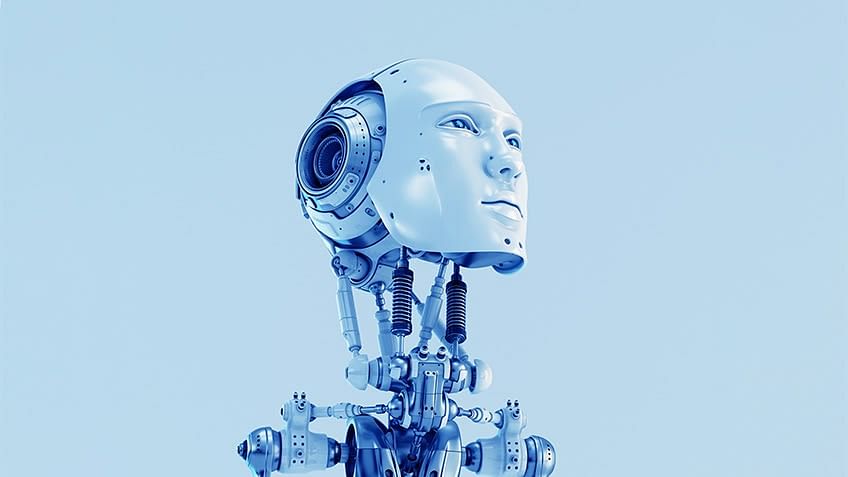
Artificial intelligence (AI) has become one of the most talked-about topics in recent years, with experts predicting that it will transform the way we live, work, and interact with each other. AI is a form of technology that enables machines to learn from experience, improve their performance, and perform tasks that normally require human intelligence.
One of the key benefits of AI is its ability to analyze vast amounts of data quickly and accurately, which can help businesses and organizations make better decisions. For example, AI algorithms can be used to analyze customer data and identify patterns and trends, allowing businesses to tailor their products and services to better meet the needs of their customers.
AI is also being used to automate repetitive and mundane tasks, freeing up humans to focus on more complex and creative work. For example, AI-powered chatbots can handle customer service inquiries, while robots can perform dangerous or difficult tasks in factories and other industrial settings.
However, AI also raises concerns about job displacement and ethical issues, such as bias in algorithms and the potential misuse of AI-powered technologies. As AI continues to evolve and become more integrated into our daily lives, it is important that we carefully consider these issues and work to ensure that the benefits of AI are shared fairly and equitably.
Despite these challenges, the future of AI looks bright. With continued investment and development, AI has the potential to revolutionize almost every aspect of our lives, from healthcare to transportation to entertainment. As AI technology advances, it will be exciting to see what new innovations and possibilities emerge in the coming years.
Post a Comment